
Explore Guide in Zayed City
What This Area Feels Like
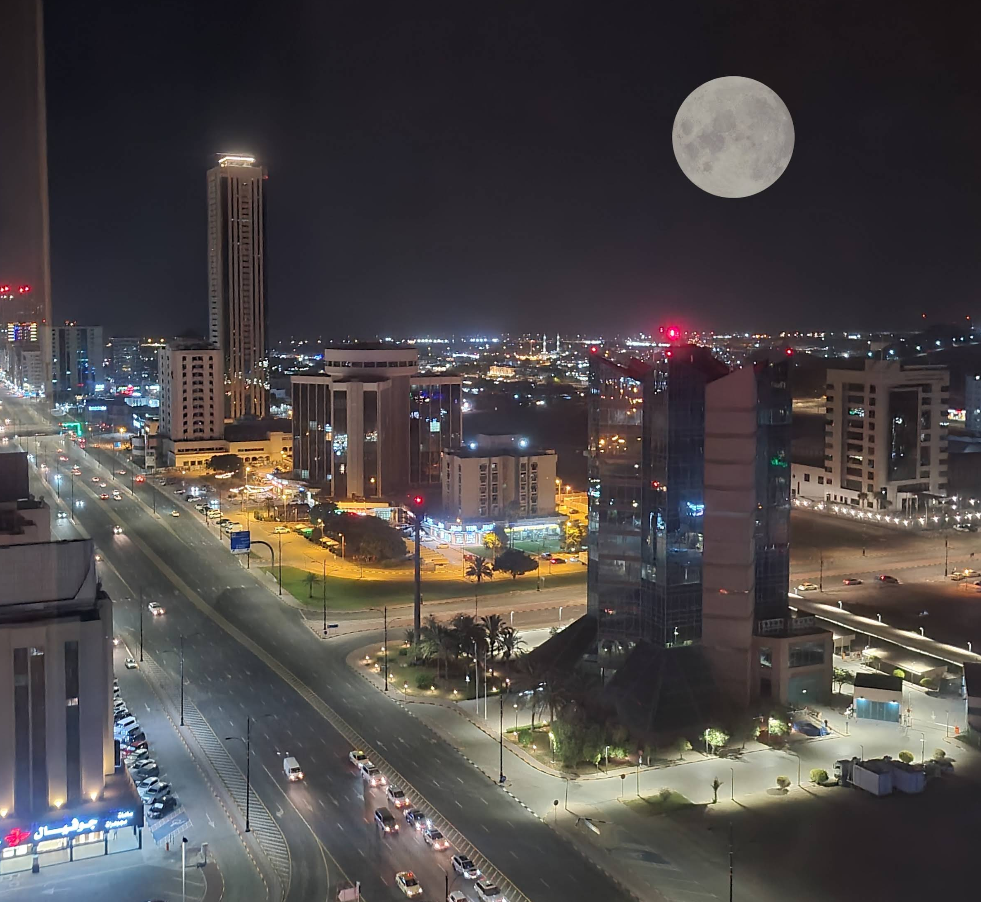
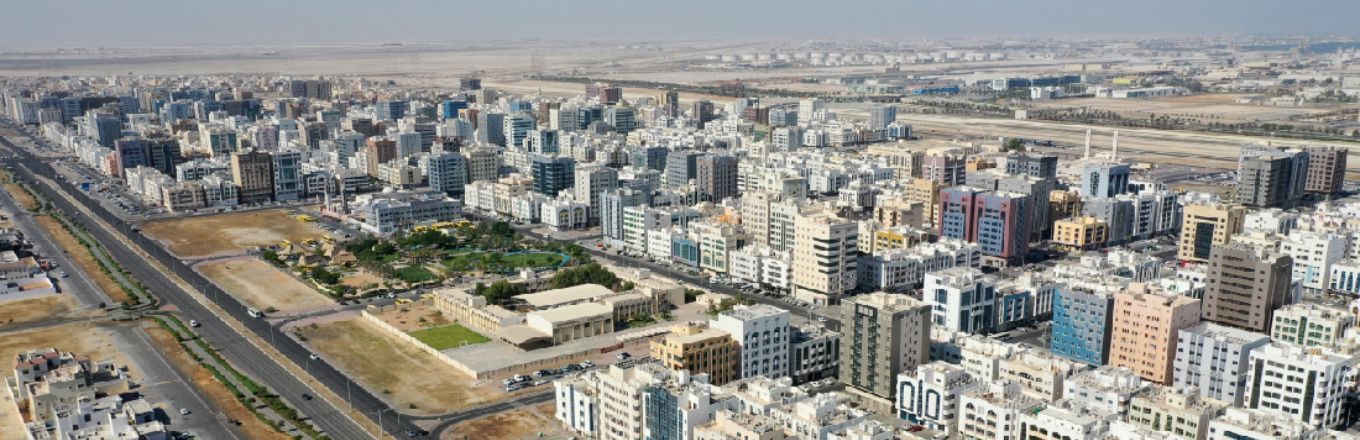
Madinat Zayed sits 170 km southwest of Abu Dhabi Island, functioning as the administrative and commercial core of the Al Dhafra region. This planned, self-sufficient city prioritizes family living and Emirati heritage over urban intensity. Positioned on the E45 highway—connecting the E11 north-south artery to the historic Liwa Oasis—it offers direct access to the Rub' al Khali (Empty Quarter), one of the world's largest sand deserts.
Life here moves at a slower pace than central Abu Dhabi. Traffic congestion is minimal, living costs run significantly lower, and the cultural atmosphere leans traditional. For professionals in the energy or government sectors seeking affordable family housing and a quieter lifestyle, Madinat Zayed delivers. However, the remote location demands car ownership and means limited access to the career diversity or nightlife found in major urban centers.
The Community Around You
Housing stock targets local families and regional workers, emphasizing space and affordability over high-rise density. Villas and townhouses dominate the market, providing multi-bedroom layouts suitable for larger households. Low-rise apartment blocks in the central zones cater to singles and smaller families. The focus on horizontal development keeps density low, reinforcing the family-oriented character.
This residential structure attracts stable tenant demographics—government employees, oil and gas personnel, and educators—resulting in lower turnover rates than transient urban markets. For investors, this translates to predictable occupancy, though rental yields remain modest due to the area's affordability positioning. The supply pipeline is controlled, with master-planned projects like Bloom Living introducing integrated communities designed to retain residents long-term.
Daily Life & Essentials
Madinat Zayed Shopping Centre and Gold Centre anchors the city's retail scene. The Gold Centre ranks among the UAE's largest gold markets, while the mall houses local and international retailers, electronics vendors, and fabric shops. City Mall provides additional shopping options. Supermarkets blanket the area, including Carrefour, Lulu Hypermarket, and local co-ops, ensuring household needs are covered without travel.
Dining leans toward casual, community-focused establishments. Arabic, Indian, and international cuisines dominate, with small cafes and family restaurants forming the core offering. High-end dining is scarce. Beauty and wellness services—salons, spas, and barbershops—are plentiful and serve daily grooming needs affordably. This setup suits residents prioritizing convenience and value over premium experiences.
Schools & Healthcare Nearby
Education
Madinat Zayed supports multiple curricula through its school network. Families can choose from American, British, and Indian systems, reducing the need for long commutes to Abu Dhabi for quality education—a key factor for tenant retention.
- Asian International Private School
- Pinnacle American School
- Zayed City School
- Al Shadah Kindergarten
- Dora Nursery
HCT - Madinat Zayed Men's College offers local access to technical education, supporting workforce development for the energy sector. For investment purposes, proximity to established schools anchors family tenants and supports stable occupancy.
Healthcare
Local healthcare infrastructure eliminates the need for routine travel to Abu Dhabi. Major facilities deliver general and specialist care, while private clinics handle outpatient needs.
- Mediclinic Madinat Zayed
- Al Dhafrah Hospitals
- Al Dhafra Family Medicine Center
- Burjeel Day Surgery Centre
- LLH Oasis Medical Centre
This coverage reduces tenant friction around medical access, a practical concern for families and professionals weighing relocation to remote areas.
Getting Around the City
Car ownership is essential. Madinat Zayed's remote positioning and the vast distances across Al Dhafra make private vehicles the primary mode of transport. The E45 highway links directly to the E11, facilitating a 1.5 to 2-hour drive to Abu Dhabi Island. This commute is manageable for weekly trips but impractical for daily office work in the capital.
Public transport exists but remains limited. The X60 intercity bus route connects to Abu Dhabi, though travel times are extended. Local buses serve the city's zones, but frequency and coverage lag behind urban standards. Taxis operate, yet availability is inconsistent compared to major cities. Ride-hailing services have minimal penetration. For tenants, the lack of transit alternatives means property appeal hinges on proximity to employment zones within the region, not connectivity to Abu Dhabi.
Lifestyle & Weekend Spots
Outdoor & Recreation
Madinat Zayed Park provides green space, playgrounds, and walking paths for family outings. The real draw, however, is desert access. Proximity to the Rub' al Khali and Liwa Oasis opens opportunities for dune bashing, camping, and exploring Moreeb Dune, a landmark for motorsport enthusiasts. These activities cater to outdoor-focused tenants and weekend tourists.
Al Dhafra Shooting Club adds niche recreational options. Newer residential developments integrate gyms and pools, supplementing the city's standalone fitness studios and wellness centers. This setup suits residents prioritizing active lifestyles without urban distractions.
Hospitality
Hotels serve business travelers and desert tourists rather than leisure visitors.
- Western Hotel - Madinat Zayed: Family-friendly, with spa and dining facilities
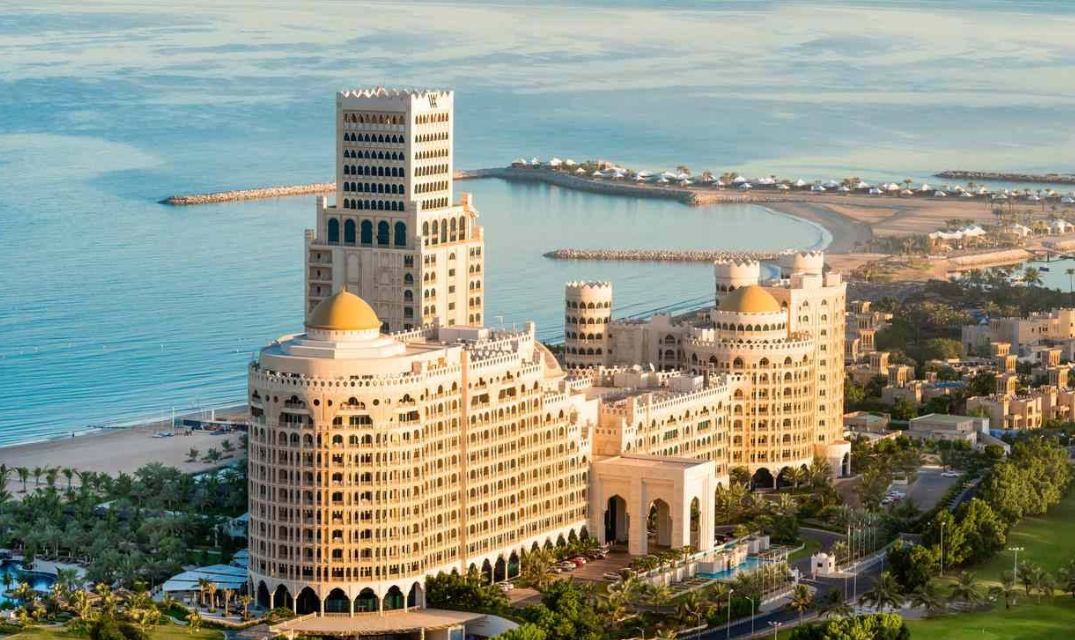
- Aldhafra Resort, Vignette Collection by IHG: Higher-end, tranquil setting
- Tilal Liwa Desert Retreat: Desert resort near Liwa Oasis, targeting adventure tourism
These properties support short-term rental demand during peak desert tourism seasons, though the primary residential market remains long-term family leasing.
What's Coming Next
Madinat Zayed falls under the Al Dhafra regional development strategy, targeting infrastructure expansion and residential quality improvements. The focus centers on reinforcing the city's role as the administrative capital, not transforming it into a dense urban hub. Master-planned communities like Bloom Living introduce integrated housing with built-in amenities, schools, and parks, aiming to attract long-term residents and stabilize the tenant base.
Road upgrades, public service expansion, and government facility enhancements are ongoing. These projects improve quality of life and accessibility but do not fundamentally alter the city's character or commute times to Abu Dhabi. For investors, this means gradual demand growth anchored by government and energy sector employment, not speculative capital appreciation driven by urban gentrification. The pipeline remains controlled, limiting oversupply risk but also capping rapid value increases.
Common Questions
Q: Is Madinat Zayed the same as the new Zayed City near Abu Dhabi Airport?
A: No. Madinat Zayed is the established city in the Al Dhafra region, 170 km southwest of Abu Dhabi Island. New Zayed City (formerly Abu Dhabi Capital District or Khalifa City C) is a separate future development near the airport and Mohammed Bin Zayed City. The names overlap, but locations and purposes differ entirely.
Q: Is it expensive to live in Madinat Zayed?
A: Living costs run significantly lower than central Abu Dhabi or Dubai. Housing, dining, and services are priced for affordability, making it attractive for budget-conscious families and regional workers. This affordability anchors the market but limits rental pricing power for investors.
Q: Is Madinat Zayed suitable for expats?
A: Expats working in oil, gas, or government sectors who prefer quiet, family-oriented environments with lower costs will find it practical. However, those seeking diverse career options, active nightlife, or frequent urban amenities may find the remote location restrictive. The tenant pool skews toward sector-specific professionals rather than general expat demographics.