Quick Links
Install Our App Today
Join our newsletter
We’ll send you updates once per week.
Aqary Investment social profiles


Powered By



Al Qattarah sits at the intersection of heritage preservation and residential calm. As one of Al Ain's oldest districts, it anchors itself around UNESCO-listed Al Qattara Oasis, Al Qattarah Fort, and Souq Al Qattarah—a traditional market operating since the 1930s. Archaeological digs reveal Bronze Age settlements, with artifacts showing continuous habitation spanning millennia.
The district operates as a cohesive residential neighborhood rather than a cluster of gated projects. Expect low-density villa plots with mature trees and minimal high-rise interference. The cultural footprint runs deep, but the day-to-day rhythm remains quiet and family-oriented. This is not a transit hub or retail corridor; it rewards buyers seeking proximity to Al Ain's historical core without tourist crowds.
Villa-only zoning defines the housing stock. Most units span 3 to 5 bedrooms with private yards, covered parking, and boundary walls ensuring full plot separation. Architectural styles split between heritage-inspired facades and contemporary layouts, giving buyers choice without compromising the area's visual consistency.
The resident profile skews toward multi-generational families valuing space and permanence. There's little rental churn because villa tenants typically commit to longer lease cycles. Community interaction happens through shared school runs, park visits, and the weekend souq rather than through formal homeowners' associations. Social cohesion is high, but privacy is respected—ideal for families who want neighborly ties without forced clubhouse activities.
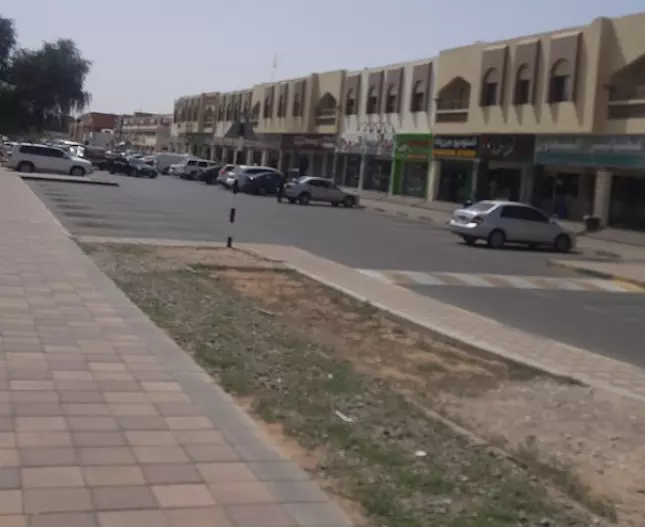
Al Qattarah lacks on-site malls, which pushes routine shopping outward. Al Jimi Mall, Hili Mall, and Safeer Mall lie within a short drive, covering supermarkets, electronics, and fashion. Souq Al Qattarah handles traditional goods, spices, and handicrafts but won't replace modern retail for everyday household needs.
Dining options include:
The mix leans toward casual Middle Eastern fare. Upscale or international chains require a trip to adjacent commercial zones. Beauty salons and service providers operate in surrounding blocks, keeping convenience acceptable but not exceptional. The trade-off is clear: you gain heritage character but sacrifice walkable retail density.
Families have access to established curriculum providers without leaving the immediate catchment:
Future supply includes a planned GEMS campus tied to the Al Ain Square development. Short commutes to school reduce morning logistics and raise appeal for tenants prioritizing academic proximity.
Medical infrastructure centers on two major hospitals:
Both deliver tertiary care, emergency services, and specialist clinics. Proximity to these facilities reduces emergency response times and supports elderly residents requiring routine appointments. Neighborhood clinics handle non-urgent needs, completing the primary-to-tertiary care pipeline locally.
Al Qattarah connects to Al Ain's arterial network through internal collector roads linking to Al Mutarad and Al Shoaibah. Road quality is high, and congestion remains minimal outside peak school hours. Villa ownership in this area assumes car dependency—most households run two or more vehicles.
Public transport exists through bus routes servicing the Al Qattara Stadium stop, providing links to central Al Ain and key employment zones. Frequency suits shift workers and students more than spontaneous trips. For investors, the transport setup signals a mature owner-occupier market rather than a rental pool relying on metro access or ride-hailing.
Green space revolves around Al Sulaimi Park, Children's Park, and the Al Qattara Oasis walking trails. The oasis offers shaded paths beneath palm groves—uncommon in urban contexts and valuable for families seeking outdoor time without driving to regional parks. These spaces support jogging, picnics, and weekend family gatherings.
Gym options include Next Level Gym and Al Ain Classic Gym, both within short driving distance. Facilities are functional but not resort-grade. Fitness-focused tenants often supplement local options with home equipment or outdoor running.
Visitor accommodation clusters nearby, useful for extended family hosting:
This hotel supply benefits short-term rental strategies if owners pursue holiday let licenses, though Al Qattarah's villa stock typically serves long-term residential demand.
Development momentum centers on the Hazza Bin Zayed Stadium precinct and the upcoming Al Ain Square mixed-use project. Al Ain Square will integrate residential units, retail, community facilities, and a GEMS school, diversifying the area's housing stock and service base.
These projects signal government confidence in Al Qattarah's long-term viability. For existing villa owners, new infrastructure should tighten supply-demand dynamics and support capital values, particularly as Al Ain positions itself as the UAE's heritage tourism gateway. Buyers entering now lock in pricing before project completion adds demand pressure.
Is Al Qattarah suitable for family living?
Yes. Large villas, school proximity, and low-traffic streets make it one of Al Ain's top family-oriented districts. The quiet environment and community stability suit multi-generational households.
What are the key landmarks in Al Qattarah?
Al Qattarah Fort, Al Qattarah Arts Centre, and Souq Al Qattarah anchor the district's cultural identity. The oasis itself holds UNESCO World Heritage status.
Is public transport accessible in the area?
Bus stops, including the Al Qattara Stadium stop, provide city-wide connections. However, private vehicles remain the primary mode for most residents due to villa layouts and shopping destinations.
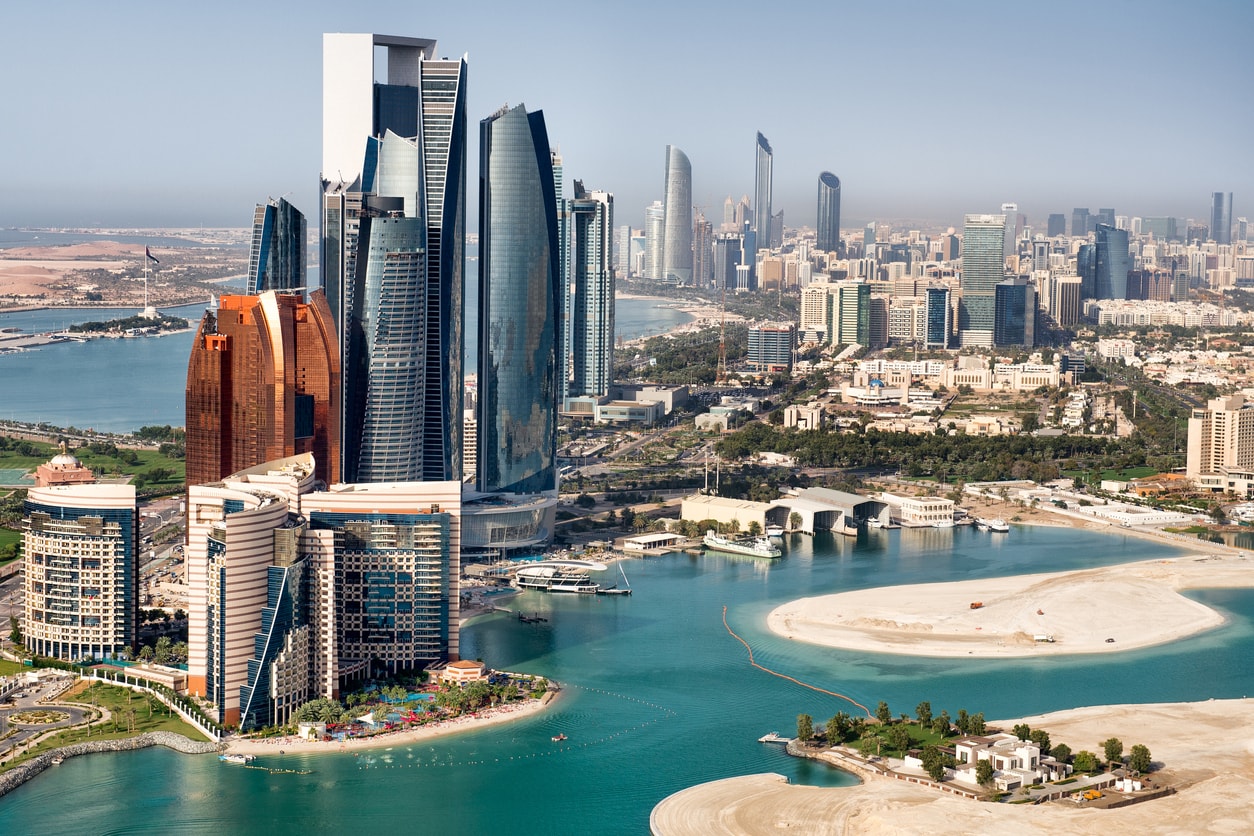
Abu Dhabi is the capital of the United Arab Emirates and the largest of the seven emirates by area. The emirate combines modern urban development with coastal landscapes, beaches, islands, cultural attractions, and heritage areas. Abu Dhabi is an archipelago made up of more than 200 islands and is divided into three main regions: Abu Dhabi City and its surrounding areas, Al Ain, and Al Dhafra.
Know More
Dubai is one of the UAE’s most prominent destinations for families, working professionals, entrepreneurs, and property investors looking for a modern and highly connected lifestyle. The city offers a wide range of residential options, including apartments, villas, townhouses, branded residences, and off-plan properties across established and emerging communities.
Know More
Sharjah areas offer a diverse range of residential neighborhoods, established districts, modern residential communities, and coastal destinations across the United Arab Emirates (UAE). Whether you are planning to move, looking for a property, or exploring the emirate, understanding the different areas in Sharjah can help you compare locations and identify the right community for your needs. From waterfront neighborhoods such as Al Majaz and Al Khan to residential areas such as Al Nahda, Al Taawun, and Muwaileh, Sharjah offers a variety of housing options, lifestyle facilities, and everyday amenities. Modern developments, including Aljada and Al Zahia, provide additional residential choices, while communities such as Al Rahmaniya appeal to households looking for suburban living. Some Sharjah areas offer convenient access to major roads connecting the emirate with Dubai, while others are better suited to residents who prioritize schools, community facilities, coastal surroundings, or quieter residential environments.
Know More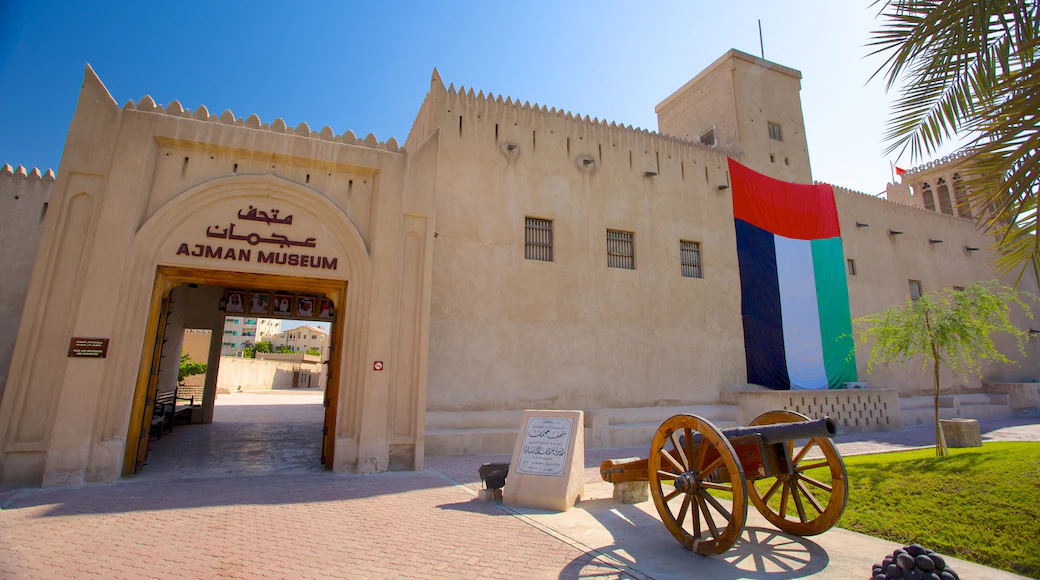
Ajman is one of the seven emirates of the United Arab Emirates (UAE), known for its coastal lifestyle, diverse residential communities, cultural heritage, and growing real estate market. Located along the Arabian Gulf between Sharjah and Umm Al Quwain, Ajman comprises three main geographical areas: Ajman City, Masfout, and Manama. These areas offer a mix of urban and coastal neighbourhoods, agricultural landscapes, and mountainous surroundings, making Ajman a diverse destination for residents, property buyers, and investors..
Know More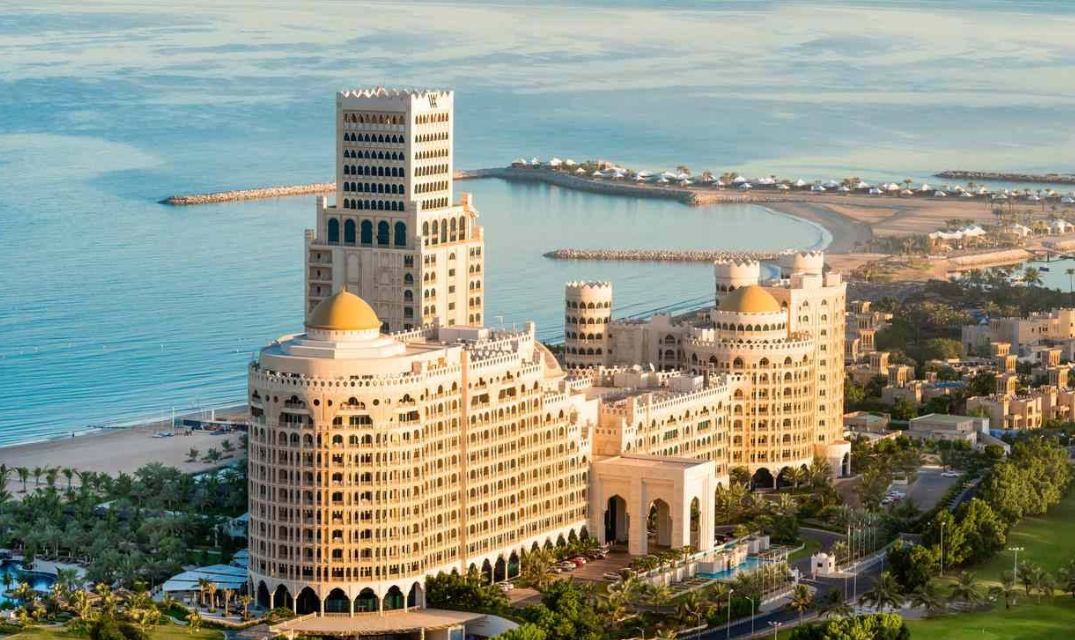
Ras Al Khaimah is one of the seven emirates of the United Arab Emirates and the northernmost emirate in the country. It is known for its diverse landscape, combining beaches, mountains, deserts, mangroves, and historic areas. The emirate has around 64 kilometres of coastline and is home to Jebel Jais, the highest mountain in the UAE.
Know More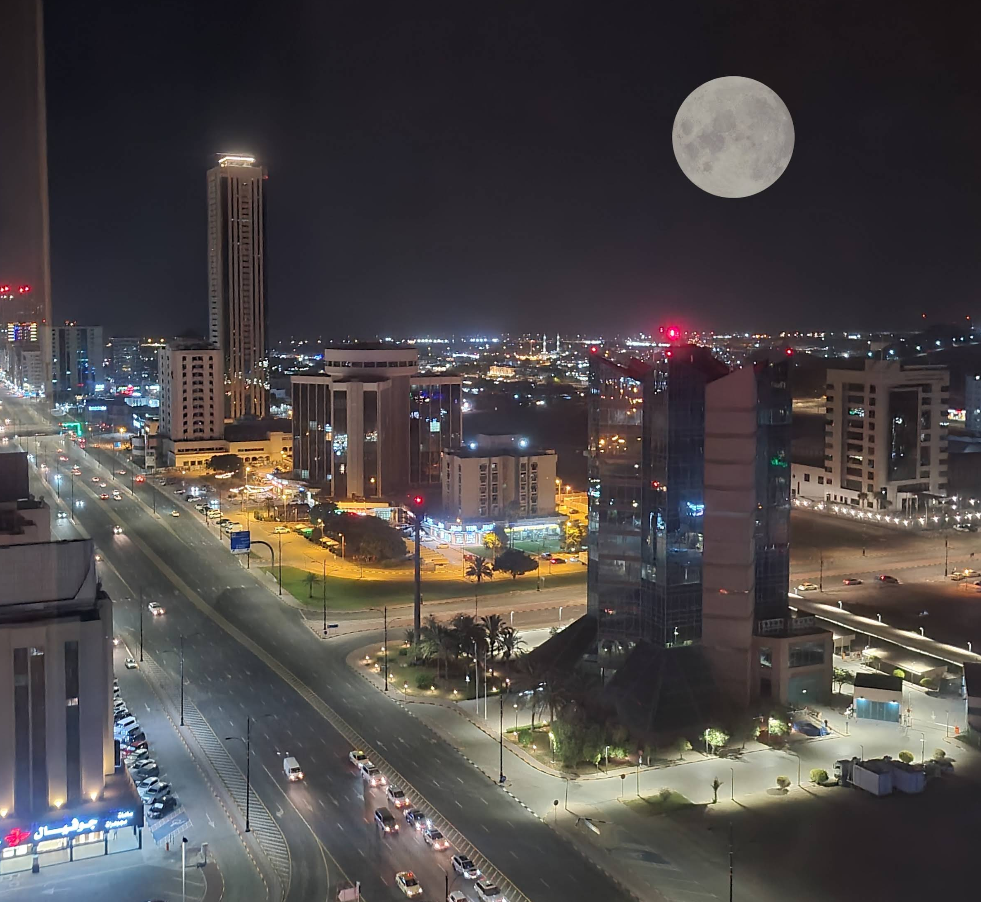
Fujairah is one of the seven emirates of the United Arab Emirates and is located on the UAE’s eastern coast along the Gulf of Oman. The emirate is known for its mountains, beaches, natural landscapes, and coastal communities.
Know More
Umm Al Quwain is one of the seven emirates of the United Arab Emirates. Located along the Arabian Gulf, the emirate is known for its coastal environment, peaceful lifestyle, islands, natural areas, and maritime heritage.
Know MoreConsultation with Our Expert