Apr 17, 2026, 1:39 PM

by aidadmin
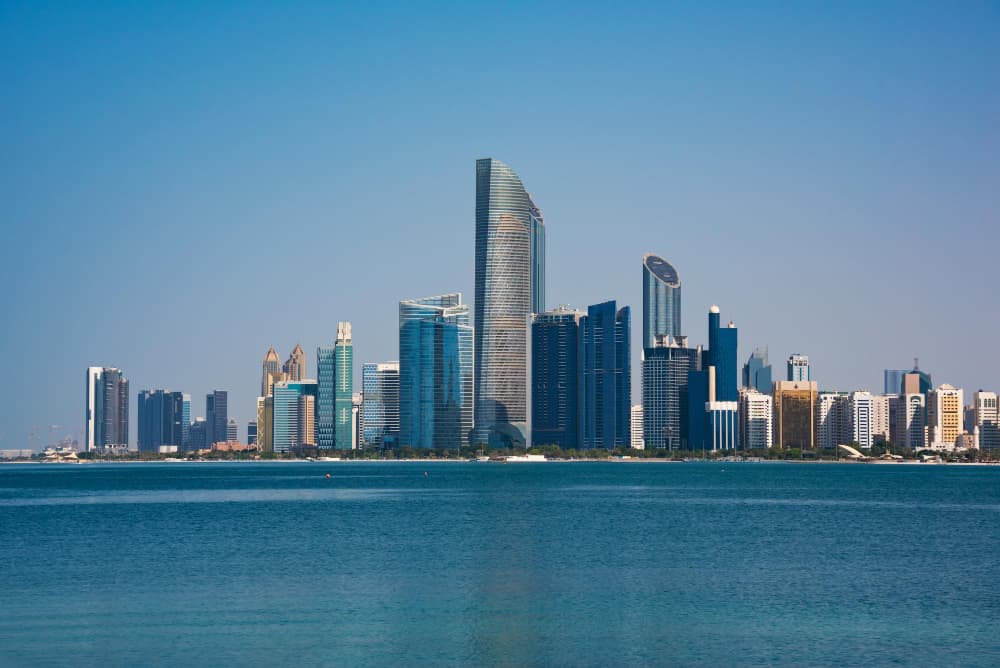
Over the previous few years, the real estate market of Abu Dhabi has been smoothly increasing, especially from 2025 to 2026, have continued this trend. Off-plan projects have been strongly subscribed to, transaction volumes have increased, and rental demand has remained robust, especially from professionals moving to government and energy sector positions.
For many consumers, pace is what sets Abu Dhabi apart from Dubai. The capital flows more purposefully. Prices have increased, although not as sharply as Dubai occasionally experiences. Long-term investors are more drawn to that measured growth than flippers.
Yas Island remains one of the most active areas for off-plan purchases. The infrastructure is solid, entertainment and retail are nearby, and the rental pool is large; families, young professionals, and short-term visitors all want to be here.

When it comes to price, Saadiyat appeals to a different group of people. It is appealing to wealthy people and people who want a quieter, more prestigious home because it has cultural institutions, beautiful beaches, and low-density living.
Al Reem is probably the most balanced option for mid-range buyers and investors. It is connected to the city, densely developed, and has a large renter base. Yields here are generally healthy, somewhere between 6% and 8%, depending on the unit type.
Only specific freehold zones are available for purchase by foreign buyers. Yas Island, Saadiyat Island, Al Reem Island, Al Maryah Island, Masdar City, and a few others are among them. Non-UAE nationals are typically prohibited from owning property outside of these zones.
In some places, leasehold agreements (usually lasting 50 or 99 years) are available and may be suitable for some purchasers, although freehold is nearly always the better option when making an investment. Verify the zone classification with the Abu Dhabi Department of Municipalities and Transport (DMT) before signing any documents.
Off-plan purchases in Abu Dhabi come with structured payment plans that spread cost over construction phases, sometimes extending a year or two post-handovers. For cash-flow-conscious buyers, this is genuinely useful, as you are not tying up the full amount at once.
The risk, as always, is delivery. The developers of Abu Dhabi, particularly Aldar, have a reasonable track record on timelines compared to some markets, but delays do happen. Read the Sales Purchase Agreement carefully, specifically the clauses around completion dates and compensation for delays.
Ready properties require more upfront capital but generate rental income from day one. For investors who want immediate returns, this is often the more sensible path, even if the entry price is higher. Here you can see some ready properties in Abu Dhabi.
Gross yields in Abu Dhabi generally range between 5.5% and 8.5%, depending on location and property type. Studios and one-bedroom apartments tend to yield higher percentages. Big villas yield way less in percentage terms but attract longer-tenancy residents.
Al Reem and Yas tend to deliver more consistent yields. Saadiyat is more about capital appreciation than immediate rental return; buyers there are usually thinking five to ten years out. Net yield after service charges, agency fees, and occasional vacancy periods will be lower, so you have to budget conservatively.
Especially for high-quality units in well-kept buildings, landlords are enjoying a rental market advantage at the moment. And since 2022, the rents have nationwide risen with a notable shortage of flats with two or three bedrooms close to major companies and educational institutions.
Al Reem, Khalidiyah, and the Corniche area remain popular. Al Reem gives you newer builds and better amenities; Khalidiyah and Corniche give you proximity to central Abu Dhabi with a more established neighborhood feel.
Khalifa City and Mohammed Bin Zayed City (MBZ City) offer more space for the money. Villa communities, good school access, and relatively quiet streets make these areas practical for families who do not need to be in the city center daily.
UAE nationals can borrow up to 80% of a property's value for a first home. Expats are capped at 75% for properties under AED 5 million, and 65% for properties above that threshold; these are Central Bank of UAE regulations, not individual bank decisions.
Mortgage rates in the UAE are generally linked to EIBOR (Emirates Interbank Offered Rate), so they move with broader interest rate conditions. Fixed-rate periods of one to three years are common before rates revert to variable. Some banks offer longer fixed periods, worth asking about if you want payment predictability.
Abu Dhabi has made enormous progress on investor protections over the past five years. The DMT maintains a property registration system, escrow accounts are required for off-plan sales, and dispute resolution mechanisms exist, though they vary in speed and practicality.
The Real Estate Law (Law No. 19 of 2005 and its amendments) governs property transactions. It is worth reading a summary of tenant rights under this framework if you are renting, particularly around eviction notice periods and rent increase limits.
The Abu Dhabi real estate market is tied to government spending, oil revenues, and policy decisions in ways that more diversified markets are not. When oil prices are strong and government projects are flowing, the market tends to do well. When conditions tighten, transaction volumes and prices can soften. It is not a reason to avoid the market, but it is a context that a thoughtful buyer should hold somewhere in mind.
The population is also heavily expat dependent. Policy changes affecting residency, visa structures, or employment in key sectors can shift demand quickly. Although the reliance on foreign workers has not altered substantially, the arrival of long-term visas (such as the Golden and Green visas) has contributed to more stable housing demand.
If you are buying, make sure the project is registered, and the developer is legitimate by checking their credentials on the DMT portal (tamm.abudhabi) beforehand. Never pay outside an escrow account for off-plan purchases. If you are renting, check Bayut and Property Finder for current listings to calibrate your expectations on price before speaking to agents. Agents will quote high initially, knowing the actual market range gives you leverage. If you are investing remotely, consider working with a property management company in the UAE rather than self-managing.
Quick Links
Install Our App Today
Join our newsletter
We’ll send you updates once per week.
Aqary Investment social profiles


Powered By