

Explore Guide in Al Ain
What Al Ain Feels Like
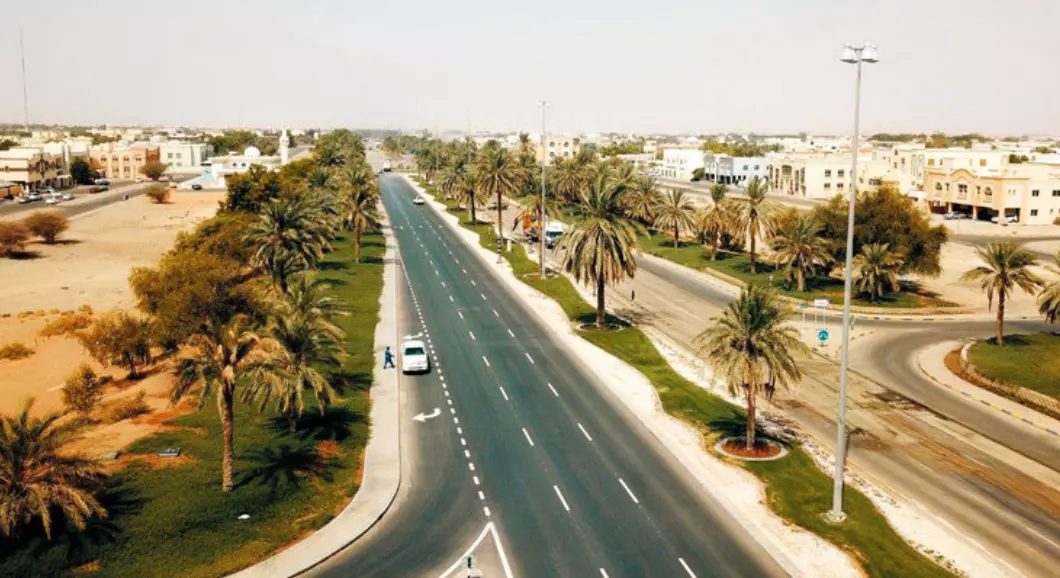
Al Ain stands apart. Lower density housing, wide streets, mature tree cover, and mountain backdrops deliver a rare calm in the UAE. The cooler microclimate and greenery create living conditions that reduce cooling costs and improve quality of life for families and retirees. This is not a high-rise metro market—investors target villas and low-rise compounds serving long-term family tenants rather than transient workers. Rental demand is stable, driven by education sector employees, government staff, and families seeking affordable space away from Dubai and Abu Dhabi price inflation.
Residential Communities Shaping the Market
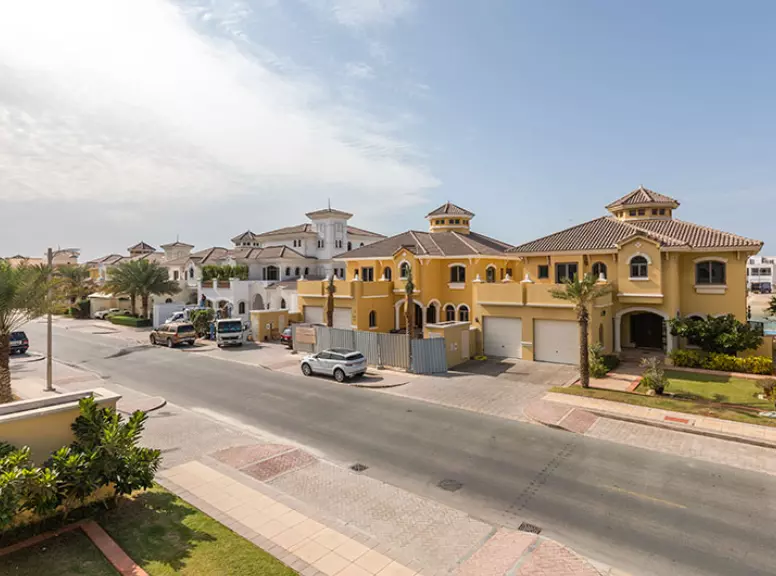
Al Ain's layout is suburban, not urban. Five districts dominate the residential map. Al Towayya offers modern villas on generous plots, attracting families who prioritize school proximity and parks. Al Muwaiji mixes apartments with villas, appealing to mid-income professionals. Al Jimi is the most liquid market—affordable stock, high transaction volume, and strong retail infrastructure make it a landlord favorite. Hili Area leans rural, with farms and larger parcels suited to buyers seeking privacy. The Al Ain Oasis Area holds cultural value but limited rental inventory due to heritage zoning.
Investors should focus on Al Jimi and Al Towayya for tenant flow. Al Muwaiji offers mid-tier appreciation potential. Hili and Oasis areas serve niche buyers, not cash-flow strategies.
Schools & Healthcare Infrastructure
Education anchors Al Ain's tenant base. The city hosts multiple private schools offering American and British curricula, serving both expat and Emirati families. Government schools add capacity for local households. This diversity stabilizes demand for 3-4 bedroom villas—core family housing.
Healthcare is regionally equipped. A major government hospital handles emergencies and specialized care. Private clinics cover pediatrics, dermatology, family medicine, dental work, and physiotherapy. Neighborhood health centers reduce travel friction for routine visits. For investors, proximity to these services compresses vacancy risk and supports premium rents in adjacent neighborhoods.
Shopping, Dining & Daily Essentials
Al Ain avoids mall saturation. Large shopping centers anchor each district, offering retail, cinemas, and food courts. Supermarkets and hypermarkets are distributed citywide—daily shopping is convenient, not congested. Local produce markets add cultural texture and lower food costs for residents.
Dining is functional, not luxury. Options include:
- Arabic restaurants
- Asian cuisine
- Western chains
- Family cafés
This is not a nightlife hub. The market serves families and professionals prioritizing routine, not entertainment. For landlords, this translates to longer tenancies and lower churn.
Hotel & Short-Stay Supply
Al Ain's hotel inventory targets leisure and business travelers, not residential competition. Properties include resort-style accommodations near Jebel Hafeet with mountain views and pools, city hotels positioned near commercial districts, and desert retreats offering traditional ambiance. These establishments support weekend tourism without cannibalizing long-term rental demand. The separation between short-stay and residential markets keeps rental fundamentals intact.
Transportation & Connectivity
Al Ain sits on the Abu Dhabi-Oman border, connected by well-maintained highways. Road access to Abu Dhabi takes roughly 90 minutes, Dubai around 2 hours. This proximity is critical—residents can commute weekly or work remotely while living in lower-cost housing. Public buses operate citywide, but car dependency is high. Most households own vehicles. Parking is abundant and free, reducing friction for villa tenants with multiple cars.
For investors, transport ease supports tenant retention. Families relocating from Abu Dhabi or Dubai accept the commute trade-off for larger homes at lower rents. This dynamic underpins demand.
Outdoor Recreation & Fitness Options
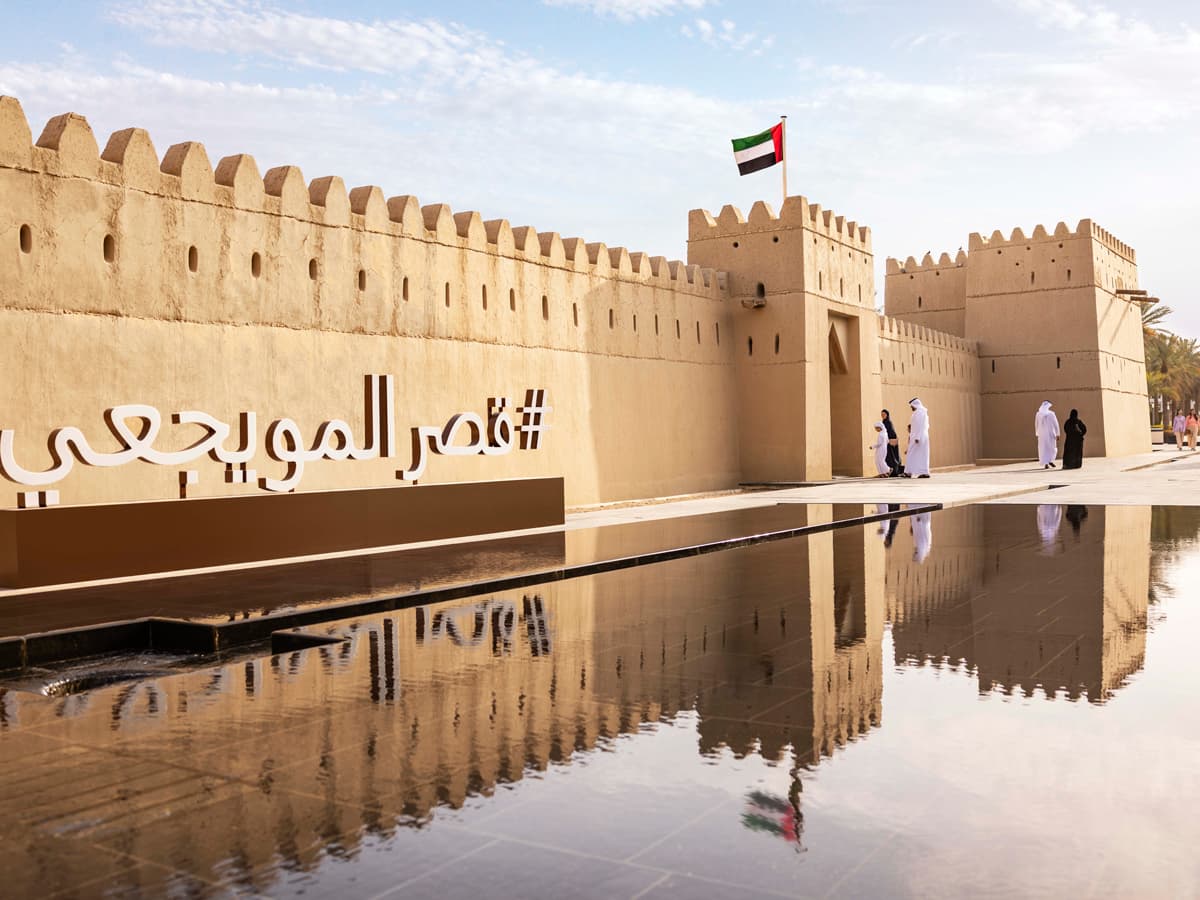
Al Ain's outdoor assets are unmatched in the UAE. Jebel Hafeet offers hiking and scenic drives. Large public parks serve weekend family gatherings. Al Ain Zoo functions as a regional attraction, driving visitor flow. Palm oases and heritage sites add cultural depth for residents valuing nature and history.
Fitness infrastructure includes:
- Sports clubs with pools and football fields
- Modern gyms with training programs
- Outdoor walking and cycling tracks
Beauty centers and hotel spas handle grooming and wellness needs. These amenities improve livability but do not directly drive property values—they support tenant satisfaction, which compresses vacancy.
Future Development Pipeline
Al Ain's growth strategy is measured. Residential expansions target population growth without oversupply. Green space expansion and walking tracks reinforce the "Garden City" brand, which sustains livability premiums. New commercial projects aim to deepen retail and dining offerings. Infrastructure upgrades focus on roads and community facilities. Heritage preservation initiatives protect cultural assets, limiting density in historic zones.
Investors should watch for residential plot releases and infrastructure timelines. New supply entering Al Jimi or Al Towayya could compress rents temporarily, but long-term fundamentals favor family-oriented markets.
Common Questions About Al Ain
Is Al Ain suitable for families?
Yes. Safe neighborhoods, strong school options, spacious villas, and abundant parks make it a family-first market. Tenant profiles skew toward long-term households, reducing landlord turnover costs.
How do living costs compare to Abu Dhabi and Dubai?
Lower. Housing, utilities, and daily expenses run below metro benchmarks, enabling families to stretch budgets or save more. This affordability gap drives relocation demand.
Are job opportunities available locally?
Yes, particularly in education, healthcare, government roles, hospitality, and retail. Many residents commute to Abu Dhabi for work while living in Al Ain for cost and space advantages.
What is the quality of healthcare?
High. Well-equipped hospitals, specialist clinics, and distributed health centers provide accessible care across the city. Medical infrastructure meets family needs without requiring travel to larger emirates.